
Authors: Sean P. Clancy, Vice President (22 years of experience) and John A. Andrews, President (55 years of experience) – Fire protection specialists keeping Chicagoland and Northwest Indiana properties safe and code-compliant.
For facility directors managing high-stakes environments like healthcare networks, school districts, and heavy industrial plants, regulatory compliance is a continuous responsibility. In these demanding verticals, a failure in life safety infrastructure is never just an inconvenience. It can result in devastating operational downtime, massive regulatory fines, or catastrophic liability.
At the center of fire safety compliance is NFPA 25, the National Fire Protection Association standard for the inspection, testing, and maintenance of water-based fire protection systems. Remaining compliant with NFPA 25 inspection requirements involves navigating a complex web of schedules, testing protocols, and documentation standards. Understanding these rules is essential for protecting your organization’s people, assets, and bottom line.
The Core Components of NFPA 25
NFPA 25 outlines a strict, comprehensive timeline of visual inspections and physical tests that must be performed on your fire sprinkler systems. These requirements are broken down into specific intervals, including weekly, monthly, quarterly, semiannual, annual, and five-year cycles. Each interval targets different components of your infrastructure to ensure absolute reliability in an emergency.
Weekly and Monthly Visual Inspections
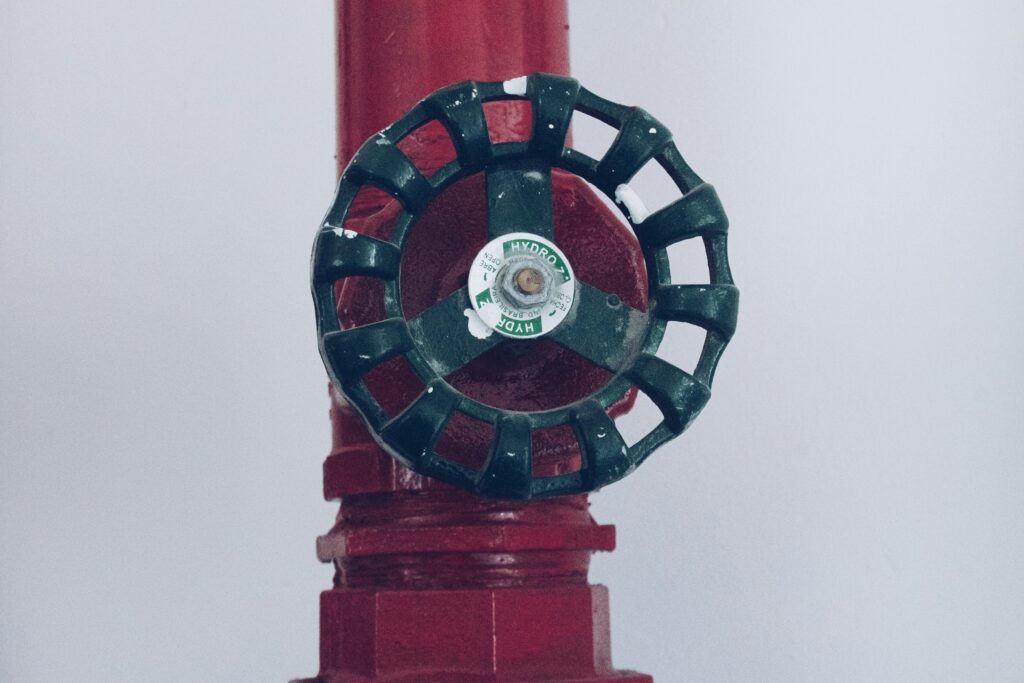
While annual testing gets the most attention, basic compliance begins with frequent visual checks. Facility managers or their designated contractors must regularly inspect control valves to ensure they are locked in the open position and completely free from leaks. Fire sprinkler gauges also require regular monitoring to verify that water and air pressures remain within the proper operational design limits.
Quarterly and Semiannual Testing
As the calendar progresses, the testing requirements become more technical. Quarterly compliance focuses on physically testing main drains to check for water supply pressure drops, as well as verifying that waterflow alarm devices function correctly. Semiannual inspections shift focus to supervisory signal devices, ensuring that any tamper switches send an immediate, accurate alert to your central monitoring station if a valve is disturbed.
Annual and Five-Year High-Stakes Testing
The annual and five-year intervals represent the most rigorous aspects of NFPA 25 compliance. These procedures require advanced technical expertise and specialized equipment, making it vital to partner with experienced professionals who can execute the tests without jeopardizing your facility’s daily operations.
Comprehensive Annual Testing Protocols
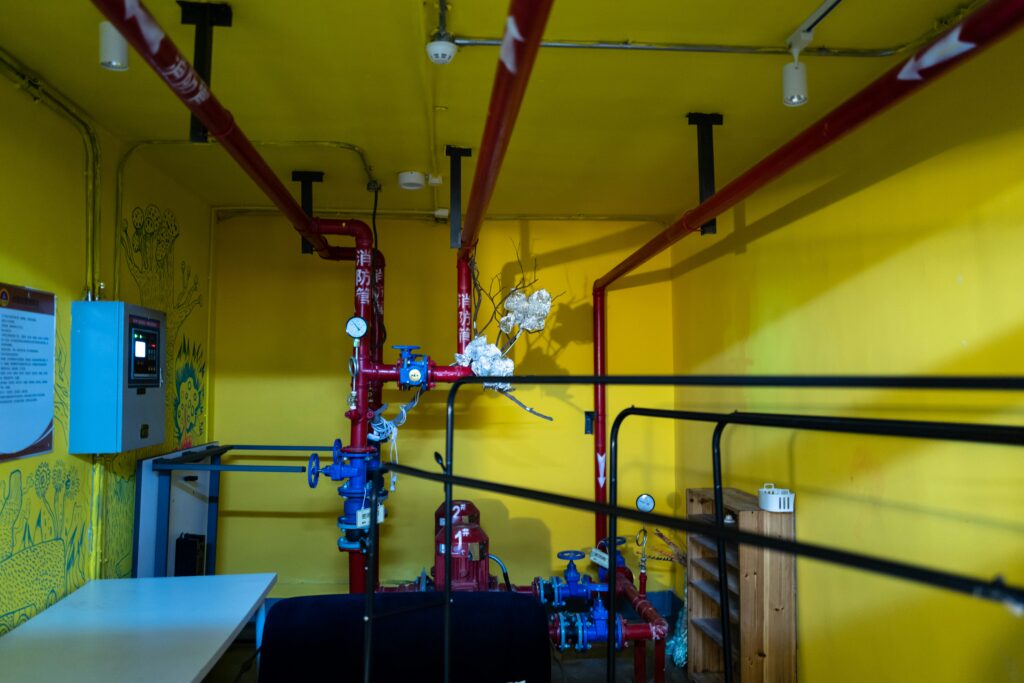
During the annual inspection, technicians conduct an exhaustive physical evaluation of the entire system. This includes testing the main fire pump under full-flow conditions to verify that it meets its original hydraulic design specifications. Technicians must also perform a thorough visual inspection of each sprinkler head in the facility, checking for signs of corrosion, physical damage, paint overspray, or loading that could delay water distribution during a fire.
The Critical Five-Year Internal Investigation
Every five years, NFPA 25 mandates an internal assessment of your system’s piping network. Technicians must open up the piping at critical flushing connections and check for the presence of microbiologically influenced corrosion, scale buildup, or foreign organic debris. For healthcare facilities operating under strict Joint Commission requirements or industrial plants with high-hazard occupancy classifications, these five-year internal investigations are absolutely critical for maintaining operational licensing and insurance coverage.
Managing Liability Through Meticulous Reporting
In highly regulated industries across Illinois and Northwest Indiana, simply performing the required maintenance is not enough. You must be able to prove that the work was completed in strict accordance with national and local safety standards.
The Role of Accurate Documentation in Audits
Whether your facility is undergoing a routine local municipal fire marshal review, an accredited school board safety audit, or a complex insurance underwriting evaluation, your inspection paperwork is your primary defense against liability. Missing or incomplete logs can result in immediate compliance violations, increased insurance premiums, or even the temporary suspension of your facility’s occupancy permit.
Protecting Your Organization from Negligence Claims
In the unfortunate event of a fire, having a comprehensive, unbroken history of NFPA 25 compliance provides invaluable legal protection. It serves as irrefutable evidence that your organization exercised due diligence and responsibly maintained its life-safety infrastructure. Partnering with a meticulous fire protection contractor ensures that your records are always complete, organized, and ready for any unexpected legal or regulatory scrutiny.
Central States Automatic Sprinklers, Inc. specializes in delivering turnkey compliance solutions for complex institutional facilities, educational campuses, and industrial centers throughout Illinois and Northwest Indiana. Our deep understanding of rigorous safety mandates ensures your facility passes its audits cleanly and remains fully protected year-round. To schedule your next mandatory compliance evaluation, contact Central States Automatic Sprinklers today at (708) 489-9400.
Author Sourcing Note: Written with input from the CSAS field inspection and engineering team.
Key Takeaways
- NFPA 25 compliance requires strict adherence to a continuous schedule of weekly, monthly, quarterly, annual, and five-year testing intervals.
- Annual tests require specialized evaluations of fire pump performance and the integrity of individual sprinkler heads across your entire layout.
- The five-year internal investigation is a non-negotiable requirement to detect hidden internal pipe corrosion and obstruction hazards before a crisis occurs.
- Thorough, professional documentation is your organization’s primary shield against regulatory fines, insurance issues, and legal liability.