
The skyline of Chicago is a point of pride, but for owners of older high-rise buildings, those historic structures represent a unique set of challenges. As we approach new milestones for life safety compliance in 2026, the conversation around fire protection is shifting. It is no longer just about maintaining what you have: it is about modernizing systems to meet current safety standards that protect both lives and property value.
Retrofitting a functioning building with a new sprinkler system is a massive undertaking. It requires a delicate balance between engineering requirements, municipal codes, and the comfort of your occupants. However, with the right approach and a NICET-certified team, a no-surprise retrofit is entirely possible even in the most complex environments.
Understanding the “Why” Behind the Retrofit
Many older commercial and residential high-rises in the Chicagoland area were built before modern fire sprinkler mandates were in place. Over the years, local ordinances have evolved, slowly closing the gaps for these grandfathered structures. The goal is simple: to provide the same level of life safety in a 1920s building as you would find in a 2026 construction.
For owners, the primary driver is often liability and insurance risk management. An unsprinklered or under-sprinklered building is a significant financial risk. Beyond the legal requirement for a sprinkler system inspection Chicago, having a fully modern system can drastically reduce insurance premiums. It also significantly increases the market value and tenant attraction of the property in a competitive real estate market.
The Design-Build Advantage in Aging Structures
The biggest fear building owners have regarding retrofits is the unknown. What is hidden behind that plaster wall? Can the existing water supply handle the new demand? This is where the Design and Build phase becomes the most critical part of the project. A generic, one-size-fits-all approach does not work for Chicago’s diverse architecture.
By utilizing 3D modeling and advanced engineering, a specialized team can map out a path for the piping that minimizes the need for demolition. This surgical approach to fire protection ensures that the architectural integrity of the building remains intact. It also allows for more accurate budgeting, as most obstacles are identified during the digital modeling phase before the first pipe is cut.
When planning these upgrades, it is essential to work with a team that offers in-house Design and Build services. This creates a single point of accountability for the owner. It ensures that the engineers designing the system are in constant communication with the technicians installing it, preventing the finger-pointing that often occurs when design and installation are outsourced to separate firms.
Minimizing Business and Tenant Disruption
A common misconception is that a retrofit requires a total building shutdown. In reality, a well-phased project can happen right under the noses of your tenants with minimal impact. This is achieved through strategic scheduling and zone-based installation techniques. We understand that your building is a living environment, and our goal is to remain as invisible as possible.
By working on one floor or one wing at a time, the rest of the building remains fully operational. Our team focuses on clean, efficient work zones and clear communication with building management. This transparency is vital for property managers who need to keep their residents or commercial tenants happy during the transition. We often work after hours or on weekends to ensure that the heavy lifting happens while the building is at its lowest occupancy.
The end result of a successful retrofit is a building that is not only safer but also easier to manage from a facility standpoint. Modern systems are easier to test, more reliable, and provide a level of protection that manual firefighting efforts simply cannot match. It is a long-term investment in the building’s future for the next fifty years and beyond.
Managing Liability Through Professional Inspections
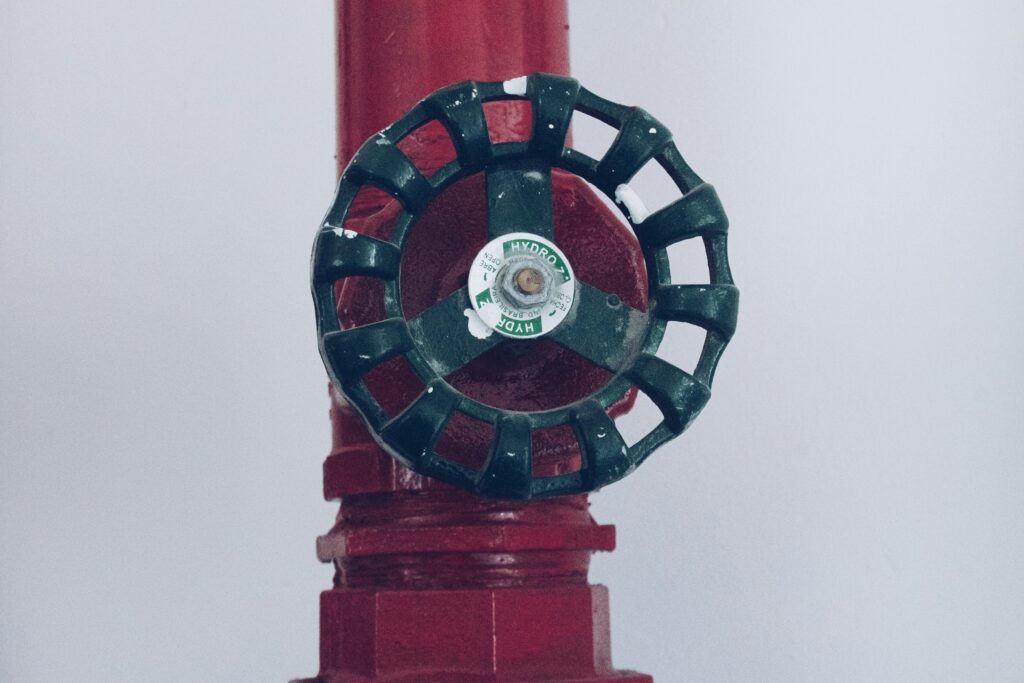
Once the retrofit is complete, the focus shifts to maintaining that investment through rigorous oversight. New systems still require regular checks to ensure they remain in peak condition and that valves have not been accidentally closed or tampered with. Staying ahead of the curve means moving from a reactive mindset to a proactive one.
Regular testing and documentation are the keys to avoiding the stress of city citations. When you have a system built to modern standards, the inspection process becomes a routine confirmation of safety rather than a source of anxiety. It allows you to focus on the business of managing your property while your fire protection system runs reliably in the background. Expert reporting also ensures that your liability is minimized, as you have a clear paper trail of every test and maintenance task performed.
Navigating Local Ordinances and Permits
The permitting process in Chicago can be a maze of red tape. A major benefit of working with an experienced local firm is our existing relationship with municipal departments. We know exactly what documentation is required to move your project from the drafting board to the construction phase without unnecessary delays.
We also assist in navigating the Life Safety Evaluation (LSE) process. For many buildings, a retrofit is the most cost-effective way to pass an LSE and avoid more expensive structural modifications. By integrating a sprinkler system, you can often gain flexibility in other areas of the fire code, such as corridor ratings or travel distance requirements.
Future-Proofing Your Facility
Technology in fire protection is not static. Modern retrofits often include smart monitoring components that can alert you to a leak or a pressure drop before it causes damage. By choosing to upgrade now, you are not just meeting a 2026 deadline: you are installing a system that is prepared for the smart building technologies of the future.
Is your building ready for the next decade of safety standards? Contact Central States Automatic Sprinklers, Inc. today at (708) 489-9400 or use our online contact form to schedule a professional consultation for your property.
Key Takeaways
- Proactive Compliance: 2026 standards are approaching, making now the time to evaluate legacy systems.
- Custom Engineering: Every Chicago high-rise is different, requiring a tailored design-build approach to preserve architecture.
- Minimal Disruption: Phased installations allow your building to stay open during the upgrade process.
- Value Addition: Retrofitting increases property value and can lower insurance costs significantly.
- Safety First: Modern sprinklers are the single most effective tool for protecting lives in high-rise environments.