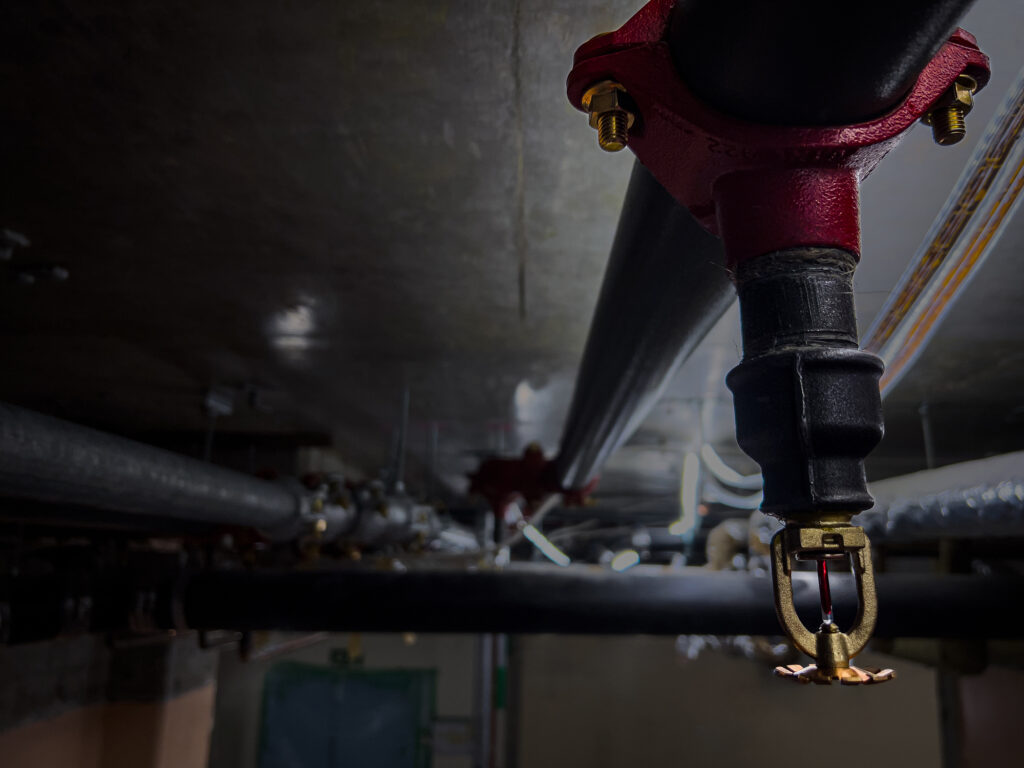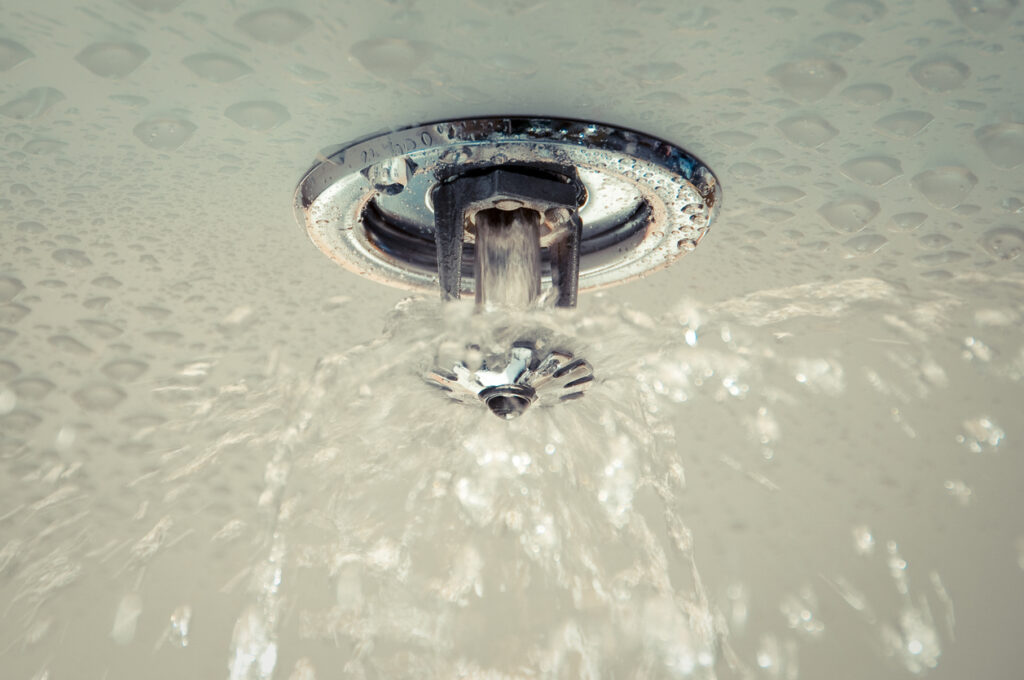

Annual fire pump and sprinkler inspections aren’t just mandated; they’re vital for safeguarding your occupants, property, and business operations. By verifying system performance against NFPA 25 and local fire codes, these inspections ensure continuous protection. This article will guide facility managers through why annual inspections are crucial, what the inspection and pump-testing processes entail, and how to interpret results to prioritize necessary actions. You’ll find step-by-step preparation checklists, details on specific components inspectors examine, acceptance criteria for flow and churn testing, and how NFPA 25 outlines required intervals for various system types. We also share practical tips for selecting a qualified vendor and highlight key contractor capabilities, with examples of a compliant provider’s workflow. Read on for clear tables, actionable lists, and sample report elements designed to make your inspections predictable, defensible for authorities and insurers, and invaluable for long-term maintenance planning.
Why Annual Fire Pump and Sprinkler Inspections Are Crucial for Your Facility?
Annual inspections are essential for verifying your system’s readiness, ensuring compliance with NFPA 25, and significantly reducing risk by catching hidden failures before they lead to fire loss or operational interruptions. Our inspections involve exercising valves, thoroughly checking components, and validating measurable outputs to guarantee your system performs exactly as designed during an emergency. This process delivers three core benefits: unwavering legal compliance, robust life-safety assurance, and operational reliability that minimizes unexpected downtime. In the following sections, we’ll delve into the specifics of compliance, life-safety impacts, reliability improvements, and the cost advantages that make scheduled preventive maintenance a smart investment.
How Annual Inspections Ensure Your Compliance with NFPA 25 and Local Fire Codes
Annual inspections are directly linked to NFPA 25 clauses, which mandate periodic visual, functional, and performance checks for both sprinklers and pumps. Our certified inspectors meticulously document these checks, creating a comprehensive and auditable compliance record for your facility. This rigorous process significantly reduces regulatory risk, as well-documented inspections and prompt corrective actions meet local fire marshal expectations and provide crucial support for insurance claims, should they ever be needed. Facility managers should recognize that thorough documentation — including dated reports, signatures, and measured data — is just as critical as the physical checks themselves when regulators assess your building’s safety posture. Clear records also streamline permit renewals and minimize dispute durations. The next section will detail how these essential inspections directly translate into vital life-safety outcomes.
NFPA 25: Essential Maintenance for Fire Protection Systems
Unless they are properly maintained, even the best designed standpipe systems can fail during a fire emergency, which can lead to serious damage and potentially life loss as well. Proper maintenance includes inspections, tests, preventative work to prolong the life of the equipment, and repair of the equipment when inspections or tests reveal that there is a problem. The minimum inspection, testing and maintenance requirements that are adopted as law for most fire protection systems are found in NFPA 25, Inspection, Testing, and Maintenance of Water-Based Fire Protection Systems and will be discussed here.
Periodic Inspection, Testing and Maintenance, 2016
The Life Safety and Property Protection Benefits of Regular Inspections
Regular inspections directly minimize the risk of catastrophic fire spread by ensuring your sprinklers will activate and pumps will deliver the precise flow and pressure required, exactly when needed. This directly translates to fewer fatalities and significantly reduced property loss, as consistently shown in case studies and industry data. Our inspections frequently uncover obstructions, corrosion, or tampering that could otherwise lead to delayed activation or partial system failure, enabling us to take corrective actions proactively, long before an incident occurs. In practical terms, identifying a corroded valve or a blocked Fire Department Connection (FDC) early can prevent a critical service outage that might leave your building vulnerable. Grasping these crucial life-safety advantages helps explain why our inspections also dramatically enhance system reliability and component longevity.
How Our Inspections Boost System Reliability and Longevity
Our thorough inspections pinpoint wear mechanisms — such as corrosion, mechanical fatigue, seal degradation, and blockages — prompting timely interventions like cleaning, lubrication, or parts replacement that significantly extend component life. By exercising controllers, meticulously verifying valve positions, and rigorously testing pump drivers under load, our inspections uncover performance drift that simple visual checks often miss. This proactive approach enables precise preventive maintenance scheduling. These interventions not only reduce costly unplanned replacements but also ensure your system remains perfectly aligned with its pump curve, maintaining peak efficiency and minimizing operational stress. The ultimate outcome is fewer emergency repairs and extended intervals between major capital replacements, leading directly to the compelling ROI comparisons we’ll discuss next.
The Cost Savings: Preventative Maintenance vs. Emergency Repairs
Planned maintenance significantly reduces your total lifecycle costs by minimizing expensive emergency callouts, preventing catastrophic losses, and bolstering your insurance credibility. All of this translates into predictable budgeting and substantially lower indirect costs associated with downtime. Emergency pump or sprinkler failures frequently lead to premium labor rates, expedited parts shipping, and severe operational disruption. In contrast, our preventive maintenance contracts help you spread these costs into manageable, predictable service fees. Moreover, a well-documented maintenance history can greatly reduce insurance friction after an event, clearly demonstrating your commitment to compliance and reasonable care. With this financial context in mind, the next section will walk you through the precise steps of a fire sprinkler inspection, ensuring your facility team knows exactly what to expect on inspection day.
Understanding Your Annual Fire Sprinkler Inspection Process
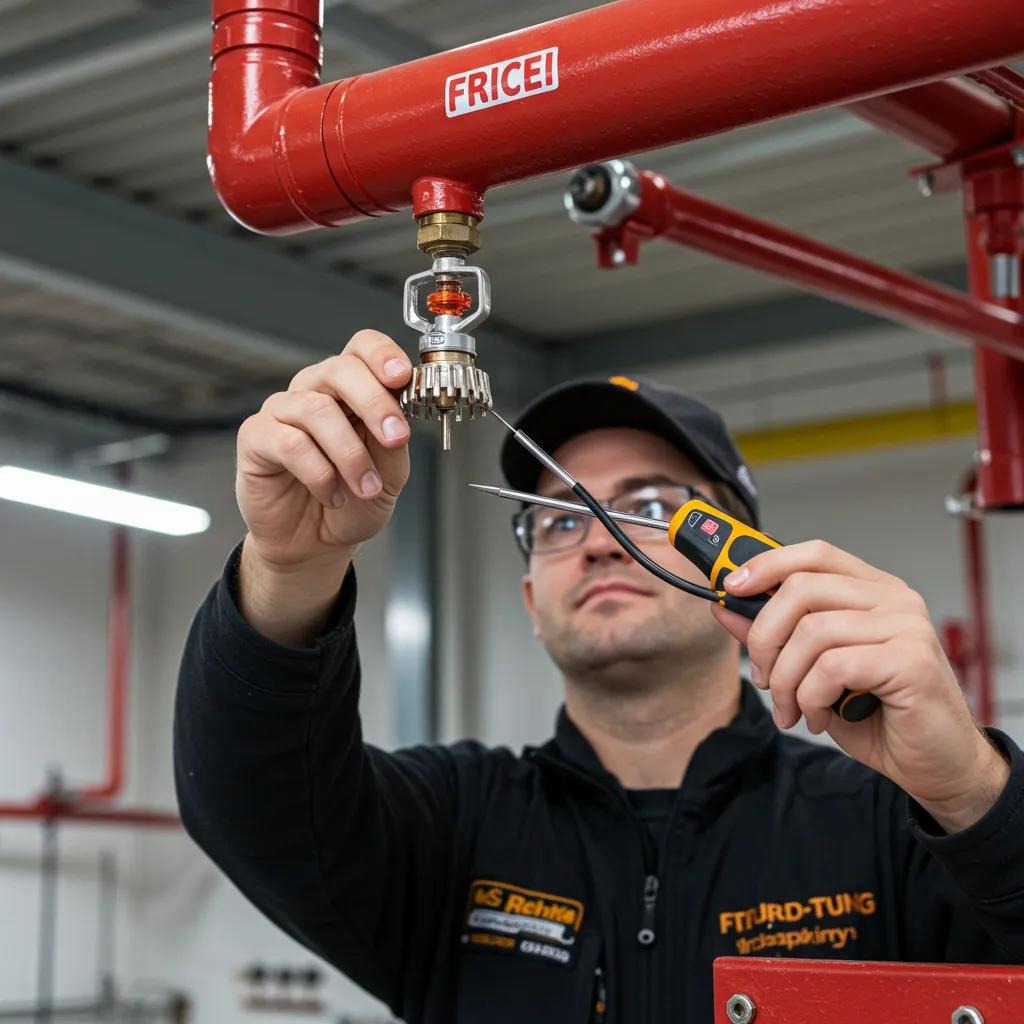
Annual sprinkler inspections are comprehensive, structured evaluations that encompass thorough preparation, detailed visual and functional checks of all components, and formal documentation of findings and necessary corrective actions. Our certified inspectors typically begin by reviewing access and your facility’s records, then proceed to meticulous component inspections (including heads, piping, valves, gauges, and the FDC), concluding with a detailed report outlining any deficiencies, recommended remedies, and timelines. This section offers a practical preparation checklist, a component-level inspection table, and clear guidance on how results are documented, empowering facility managers to streamline the visit and ensure seamless compliance. Below, you’ll find practical preparation steps designed to minimize delays and significantly enhance inspection quality.
How to Prepare Your Facility for a Fire Sprinkler Inspection
Thorough preparation is key to a smooth inspection: please gather previous reports and maintenance logs, and ensure all necessary areas are easily accessible so our inspectors can work efficiently without disrupting your operations. Remember to notify building occupants and any affected trades, clear mechanical rooms and roof access points, and confirm that all valve tags and equipment labels are clearly visible for swift verification. Additionally, ensure pressure gauges and alarm panels are powered and unlocked, and have a staff contact list ready to coordinate any immediate corrective work. Proper preparation not only shortens inspection time but also significantly improves accuracy, setting the stage for a focused review of the components our inspectors will prioritize during their walk-through.
Key Components Checked During Your Fire Sprinkler System Inspection
Our certified inspectors meticulously examine every critical component, including sprinkler heads, escutcheons, piping and hangers, control valves and trim, gauges, alarms, and the Fire Department Connection (FDC), to confirm their mechanical integrity and proper function. We look for typical failure modes such as corrosion on pipes, paint or obstructions covering sprinkler orifices, trapped air in dry systems, and tampered or sealed control valves that could impede water flow. Inspectors also verify adequate clearances from storage and ensure that hangers and seismic bracing remain securely in place. Early detection of these issues allows us to prioritize repairs efficiently, well before your annual report is finalized.
| Component | Inspection Focus | Common Findings / Notes |
| Sprinkler Head | Visual and orientation check | Obstruction from storage, corrosion, paint, accidental damage |
| Control Valve | Verify full open/closed position and tamper seal | Evidence of tampering, partially closed valves, missing tags |
| Piping & Hangers | Visual inspection for corrosion, leaks, hanger integrity | Corrosion, sagging pipes, loose hangers, pinhole leaks |
| Fire Department Connection (FDC) | Verify caps, signage, and valve function | Missing caps, obstructions, improperly capped FDCs |
How We Document and Report Your Inspection Results
A compliant inspection report from CSAS includes a detailed equipment inventory, clearly observed deficiencies often accompanied by photos, recommended corrective actions, and signatures with dates to fully support NFPA 25 documentation requirements. Our digital reports frequently feature annotated photos and tagged locations to facilitate faster repairs, while any paper records adhere to the same rigorous content structure for reliable retention. Reports typically categorize items by severity and urgency, which empowers you to develop a prioritized corrective action plan and accurate budget forecasting. This clear reporting not only supports future inspections, insurer reviews, and interactions with local authorities but also provides direct input into the customized maintenance agreements we’ll describe later.
What to Expect During Your Annual Fire Pump Testing (NFPA 25 Standards)
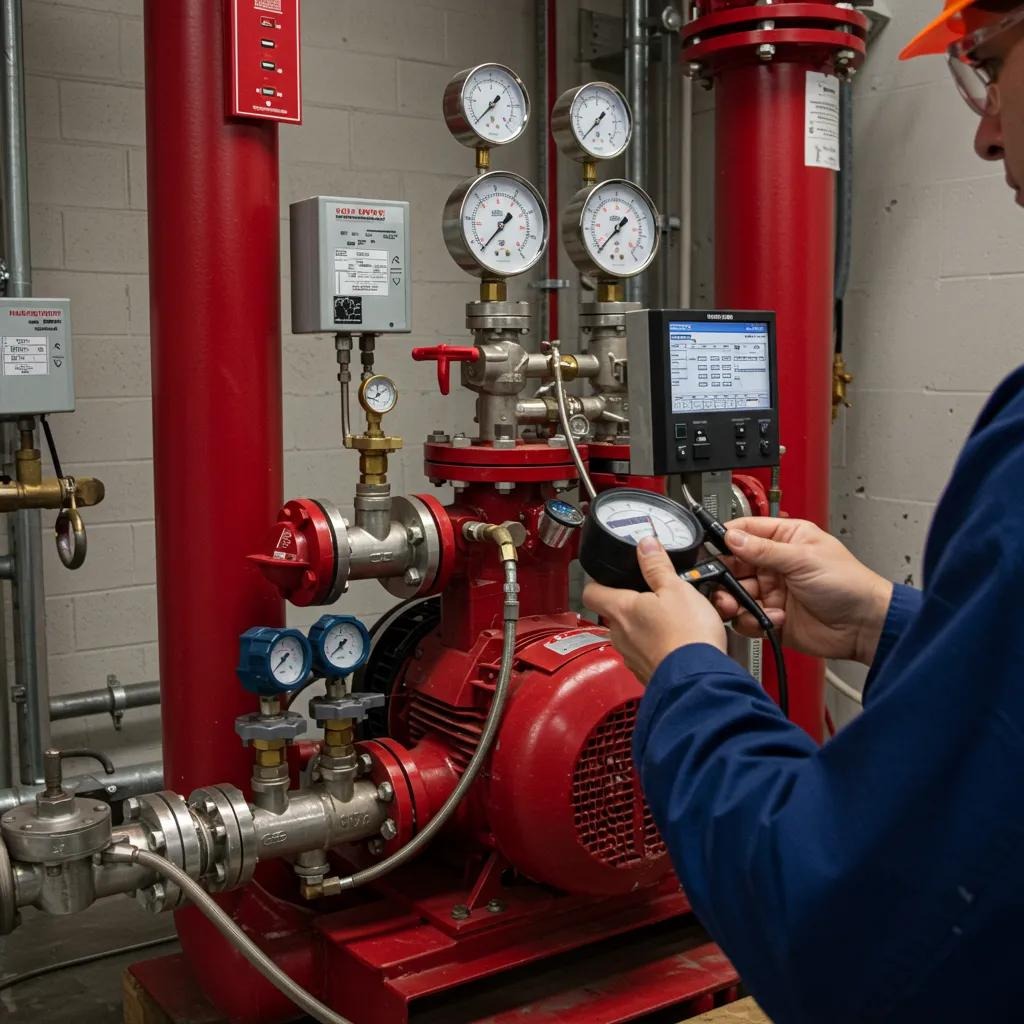
Annual fire pump testing is crucial for validating that your pump’s driver, pump itself, controller, suction and discharge piping, and relief devices all perform precisely to their rated specifications, and that the entire installation consistently meets NFPA 25 acceptance criteria. Our comprehensive tests include a full flow (rated) test and a churn or no-flow test, alongside thorough functional checks on the controller, driver, and all safety devices. Understanding the precise sequence of these checks, the acceptance thresholds, and the required documentation will empower facility managers like you to accurately interpret test outcomes and make informed decisions regarding any necessary repairs or adjustments. The table below provides a clear comparison of common tests, their purpose, and typical acceptance criteria to help clarify your expectations.
Key Steps in Fire Pump Flow and Churn Testing
A flow test typically commences with proper notification to authorities and carefully isolating the pump from your building’s operations. We then meticulously measure flow and pressure under rated conditions, recording all data for precise comparison against the pump curve. The churn test involves running the pump at no-flow conditions to thoroughly verify motor behavior, vibration levels, and starter performance; our technicians diligently record motor amps, vibration levels, and temperatures. Crucial safety steps include ensuring relief valves are correctly set and verifying the integrity of the suction supply, while careful coordination with building alarms prevents any false activations. These precise procedural steps generate the comprehensive data set we use to determine pass/fail status and to schedule any necessary maintenance when readings deviate from optimal rated performance.
Which Fire Pump Components Do We Inspect and Test?
Our skilled technicians meticulously inspect the pump driver (whether an electric motor or diesel engine), coupling alignment, mechanical seals, the controller and its automatic controls, the relief valve, and all suction/discharge piping for any leaks or integrity concerns. During testing, we record vital data such as motor amperage, bearing temperatures, coupling alignment, and the controller’s response to simulated conditions. Each of these metrics provides crucial insights into component health and remaining lifespan. Common failure indicators we look for include elevated bearing temperatures, misaligned couplings causing excessive vibration, and inconsistent controller logic or alarm malfunctions. Identifying these issues during testing is paramount; it prevents costly in-service failures and effectively guides our corrective maintenance planning.
| Test Type | Purpose | Typical Acceptance Criteria |
| Flow (Rated) Test | Verify pump delivers specified flow and pressure | Measured performance meets or exceeds pump curve within tolerance |
| Churn (No-Flow) Test | Confirm motor and driver stability under no-flow conditions | Motor operates smoothly, amps are steady, vibration within acceptable limits |
| Controller Functional Check | Validate automatic start/stop functions and alarms | Controller initiates start on demand and accurately logs all events |
Interpreting Fire Pump Test Results for Effective Maintenance
Our comprehensive test data is meticulously compared against your pump’s performance curve and rated specifications to pinpoint any decline in flow, increased horsepower demand, or mechanical concerns that require immediate corrective action. Should measured flow fall below the pump curve at rated conditions, our expert technicians will thoroughly investigate suction conditions, impeller wear, or potential blockages. Similarly, if motor amps are elevated, bearing or alignment issues may be present. Our detailed test reports consistently recommend specific repairs, necessary spare parts, or ongoing monitoring steps, feeding directly into your maintenance scheduling and budget planning. A clear interpretation of these critical test metrics empowers facility managers to prioritize repairs that will most effectively enhance reliability and ensure ongoing compliance.
NFPA 25: Guiding Your Fire Pump and Sprinkler Inspection Frequencies & Requirements
NFPA 25 establishes a structured schedule of visual, functional, and performance actions, ranging from weekly checks to multi-year internal inspections. This framework forms the backbone of all compliant Inspection, Testing, and Maintenance (ITM) programs. The standard carefully differentiates actions based on component type and system exposure, and it strictly mandates thorough documentation of every activity. This ensures that authorities and insurers can readily verify your ongoing maintenance efforts. The “EAV” table below condenses typical NFPA 25 intervals into an easy-to-reference guide, empowering facility managers to confidently build recurring work orders and comprehensive maintenance agreements.
Required Inspection, Testing, and Maintenance Intervals
| Component / Action | Required Action | Typical Interval |
| Control Valves | Visual and full operation check | Weekly visual / Annual functional |
| Gauges | Verify correct reading and condition | Monthly |
| Fire Pumps | Flow (rated) test; churn test; controller checks | Annual flow; Monthly churn/observations |
| Sprinkler Heads | Visual inspection for obstruction/corrosion | Annual (or more frequently in corrosive environments) |
| Internal Piping Inspection | Internal inspection and cleaning | 5-year or as per NFPA exceptions |
NFPA 25 Requirements: Differences for Various Fire Sprinkler Types
NFPA 25 acknowledges that different system types (such as wet, dry, pre-action, and deluge) and their specific materials significantly influence inspection frequency and methods. For instance, dry systems necessitate additional checks for air pressure integrity and accelerated corrosion monitoring. Similarly, corrosion-resistant sprinklers and protected systems may have distinct replacement timelines compared to older, non-corrosion-resistant designs. Pre-action and deluge systems, in particular, require thorough checks of their interlocking detection and actuation logic, in addition to their water delivery components. Facility managers should ensure adjusted intervals are applied whenever environmental exposure or system design dictates more frequent inspection, proactively preventing latent degradation. A clear understanding of these distinctions enables more targeted inspections and helps prioritize internal inspections or component replacements effectively.
Specific NFPA 25 Mandates for Fire Pump Testing
NFPA 25 strictly mandates annual flow tests to unequivocally demonstrate your pump’s performance at rated conditions. It also requires periodic functional checks to verify controller and driver readiness, along with meticulous recordkeeping of all tests. Our weekly and monthly observations are designed to capture operational status and detect early warning signs, while annual and five-year activities provide deeper, more comprehensive diagnostics. All tests must be thoroughly documented with measured values, equipment IDs, and signatures to fully satisfy NFPA recordkeeping expectations. Adhering to these mandates significantly reduces regulatory risk and ensures your pump systems remain fully capable and ready when called upon.
Choosing Your Qualified Fire Protection Inspection Partner
Selecting the right inspection partner hinges on certifications, local code knowledge, transparent reporting, and service responsiveness so that inspections deliver both compliance and operational value. Providers should offer clear scopes, prioritize documented deliverables, and demonstrate experience across system types similar to those in your facility. The guidance below lists selection criteria and contract features to look for when vetting vendors, followed by a factual summary of how one local provider model supports facility managers in Chicagoland and Northwest Indiana.
- Verify technical certifications and documented training for all inspectors.
- Request sample reports and confirm a commitment to NFPA 25-compliant documentation.
- Confirm extensive local code familiarity and proven experience working with local authorities.
The Importance of Certification and Local Code Knowledge in Fire Protection Services
Certified inspectors are crucial for reducing your liability and significantly increasing confidence that inspections consistently meet NFPA standards and all local amendments. Certification unequivocally demonstrates documented training and proven competency in advanced testing methods and precise code interpretation. Local code knowledge is paramount because municipalities and authorities having jurisdiction often apply specific permitting, tagging, or documentation requirements that can differ from NFPA baseline language. Partnering with a provider deeply familiar with local fire marshals not only accelerates approvals but also minimizes rework when inspectors or authorities request clarifications. Therefore, thoroughly verifying certifications and local experience is absolutely essential when evaluating proposals from prospective vendors.
Benefits of Customized Maintenance Agreements and 24/7 Emergency Services
Customized maintenance agreements from CSAS offer predictable costs, expertly scheduled preventive tasks, and priority access to essential parts and skilled labor. Together, these benefits significantly reduce downtime and dramatically improve your long-term budgeting accuracy. Agreements that include clearly defined Service Level Agreements (SLAs) and robust emergency response commitments minimize the business impact of unexpected failures by ensuring prioritized dispatch and quicker repairs. Our around-the-clock emergency availability is especially valuable for critical facilities that simply cannot tolerate prolonged outages; this unwavering support reduces both direct repair expenses and costly indirect operational losses. With these crucial criteria in mind, the final subsection will illustrate how a compliant local provider, like CSAS, expertly addresses all these vital needs.
How Central States Automatic Sprinklers Supports Facility Managers in Chicagoland & Northwest Indiana
Central States Automatic Sprinklers (CSAS) is your trusted, family-owned fire protection company proudly serving Chicagoland and Northwest Indiana. We offer comprehensive design, installation, inspection, testing, maintenance, and retrofitting services across a full spectrum of systems, including wet, dry, pre-action, deluge, foam, water mist, clean agent, and fire pump systems. CSAS provides unparalleled 24/7 emergency services and robust Inspection, Testing, and Maintenance (ITM) capabilities, all meticulously designed to meet stringent NFPA standards and specific local municipality requirements. Our strong local presence ensures faster authority interactions and rapid emergency response. For facility managers seeking a truly reliable partner, CSAS’s unique combination of deep local code familiarity, highly certified inspectors, and unwavering around-the-clock availability perfectly embodies the superior supplier attributes discussed above. Consider CSAS your ideal starting point when requesting scopes and sample reports from prospective vendors.
Common Questions Facility Managers Ask About Fire Pump and Sprinkler Inspections
Facility managers frequently inquire about service frequency, who is qualified to perform inspections, what our pump test reports include, and why annual pump inspections are absolutely essential. Our concise answers are designed to help your teams make timely, informed decisions. This section offers direct answers and recommended next steps, empowering managers to confidently document requirements and act on any deficiencies without delay. The short Q&A format that follows is optimized for quick reference during your planning or procurement conversations.
How Often Should Your Commercial Fire Sprinkler Systems Be Serviced?
Service frequency varies depending on the specific component: weekly visual valve checks, monthly gauge and alarm observations, annual functional tests for both sprinklers and pumps, and five-year internal inspections are standard NFPA 25 benchmarks. However, environmental exposure, system type, and local code amendments can necessitate increased recommended frequencies, particularly in corrosive or high-use environments. Facility managers should always adopt a thoroughly documented schedule that is precisely aligned with NFPA 25 and diligently maintain comprehensive records to clearly demonstrate ongoing compliance to both authorities and insurers.
Who Is Qualified to Perform Your Fire Sprinkler and Pump Inspections?
Qualified inspectors are highly skilled technicians possessing formal training, relevant certifications, and extensive, documented experience in NFPA 25 and advanced pump testing procedures. They unequivocally demonstrate their competency through verifiable certifications, detailed training logs, and strong supplier references. For fire pump testing, our technicians deeply understand pump curves, specialized instrumentation, and intricate driver diagnostics. For sprinkler ITM, their experience with diverse system types and nuanced local code requirements is absolutely essential. We encourage you to ask prospective vendors for sample reports and detailed staff qualifications to thoroughly verify their capabilities.
What Our Fire Pump Test Reports Include
A standard fire pump test report from CSAS includes meticulously measured flow and pressure data, motor amperage and temperature readings, comprehensive pump curve comparisons, detailed visual observations, clear acceptance or exception statements, and precisely recommended corrective actions with priority levels. Each report meticulously identifies equipment by tag, includes dates and technician signatures, and clearly notes any deviations from rated performance with suggested timelines for remediation. These well-structured reports feed directly into your maintenance planning and accurate budget forecasting.
Why Annual Fire Pump Inspections Are Essential for Your Commercial Building
Annual fire pump inspections and testing are absolutely essential to verify that your pumps will consistently meet their designed performance exactly when required. This proactive approach significantly reduces the risk of business interruption, avoids costly regulatory penalties, and prevents catastrophic loss. Furthermore, these inspections bolster your insurance position by thoroughly documenting proactive system care. Without validated pump performance, your sprinkler systems may fail to deliver the critical water flow needed, leaving occupants and valuable assets at increased risk. Regular, professional inspections from CSAS preserve your continuity of operations and provide robust protection for both people and property.
Maximizing Your Fire Protection System Maintenance for Long-Term Safety
Achieving long-term safety for your facility hinges on a proactive program that seamlessly blends routine in-house monitoring, expertly scheduled professional inspections, and data-driven maintenance agreements designed to address every lifecycle need. We recommend facility managers adopt clear, simple KPIs — such as the number of critical deficiencies closed within 30 days, the percentage of scheduled tests completed on time, and the mean time to repair for critical components — to effectively quantify your program’s performance. The following monitoring checklist and recommended practices will empower your teams to diligently track system condition and strategically plan capital replacements, all while confidently demonstrating compliance to auditors and insurers.
- Track valve positions and accessibility weekly to ensure constant readiness.
- Monitor pressure gauges and water supply indicators monthly, meticulously logging all results.
- Maintain optimal clearances and diligent housekeeping around all sprinklers to prevent obstructions.
Benefits of Proactive Fire Sprinkler and Pump Maintenance
Proactive maintenance from CSAS significantly lowers your total cost of ownership by preventing emergency failures, which are far more expensive and disruptive than scheduled interventions. It also dramatically improves system reliability and reduces potential insurance friction. Our regular maintenance ensures consistent system performance, effectively extending component life and reducing the frequency of costly capital replacements. Furthermore, thoroughly documented preventive programs bolster your organization’s compliance posture and make budgeting predictable, enabling a more strategic allocation of resources for your high-risk assets.
How Regular Maintenance Extends System Lifespan and Reduces Costs
Our routine maintenance activities — including meticulous corrosion control, precise lubrication, timely seal replacement, thorough alignment checks, and comprehensive cleaning — actively mitigate progressive degradation and prevent damage that accelerates system failure. This proactive approach significantly extends the functional lifespan of your pumps and piping. By proactively replacing wear items, we help you avoid large-scale replacements often triggered by catastrophic failure, effectively spreading costs across manageable fiscal periods. Furthermore, our strategic parts stocking and robust service agreements further reduce lead times when repairs are required, dramatically decreasing downtime and minimizing operational impact.
Key Components to Monitor Between Annual Inspections
Your facility staff should routinely check valve positions and tamper seals, diligently observe gauge readings for any abnormal pressure trends, actively look for visible leaks or corrosion, and confirm the alarm panel’s normal status and battery condition. It’s also crucial to maintain clear storage and material clearances from all sprinkler discharge areas and to monitor for temperature extremes that could affect system integrity, particularly in attics and unconditioned spaces. Consistent, vigilant monitoring of these items provides early warning, preventing larger failures and ensuring a seamless handoff to professional ITM providers during annual inspections.
Conclusion: Your Partner in Fire Safety Excellence
Scheduling annual fire pump and sprinkler inspections is absolutely essential for ensuring unwavering compliance with NFPA 25, significantly enhancing life safety, and maintaining peak operational reliability for your facility. These critical inspections not only provide robust protection for occupants and property but also empower facility managers to proactively avoid costly emergency repairs through strategic, preventative maintenance. By thoroughly understanding the inspection process and preparing effectively, you can streamline your operations and ensure your fire protection systems are always fully ready for any emergency. Take the vital next step in safeguarding your facility: explore our comprehensive fire protection services today and partner with CSAS for unparalleled peace of mind.